How to Choose a Fitness Clothing Manufacturer for Your Activewear Brand in 2026
Choosing the right fitness clothing manufacturer is one of the most important decisions for any activewear brand. Whether you are planning to launch yoga wear, gym clothing, sports bras, leggings, seamless sets, or athleisure apparel, your manufacturer directly affects product quality, fit, customer reviews, and long-term profitability.
For startup activewear brands, the challenge is not simply finding a factory that can sew garments. The real challenge is finding a manufacturing partner that understands stretch fabrics, sportswear fit, low MOQ production, private label customization, and the quality risks behind products like sports bras and leggings.
This guide explains how to evaluate a fitness clothing manufacturer from a buyer’s perspective. Instead of only comparing unit price, you will learn what to check before placing an order, how to judge product development capability, what fabric and fit details matter most, and how to reduce risk when launching your first activewear collection. Instead of only comparing unit price, you will learn what to check before placing an order, how to judge product development capability, what fabric and fit details matter most, and how to reduce risk when launching your first activewear collection.
What Makes a Good Fitness Clothing Manufacturer?
A good fitness clothing manufacturer should do more than produce basic apparel. For activewear brands, the right partner should understand fabric stretch, recovery, opacity, sports bra support, leggings fit, size grading, low MOQ sampling, custom logos, private labels, and scalable production.
For most startup brands, the best manufacturer is not necessarily the cheapest one. It is the supplier that can help you test products in smaller batches, improve samples based on fit feedback, and support future growth from a focused first launch to a complete private label activewear collection.
In simple terms, a strong fitness apparel manufacturer should help you answer three practical questions:
- Can this supplier produce the activewear products my brand actually wants to sell?
- Can they help me reduce product quality, sizing, and inventory risk?
- Can they support my brand from low MOQ testing to larger repeat orders?

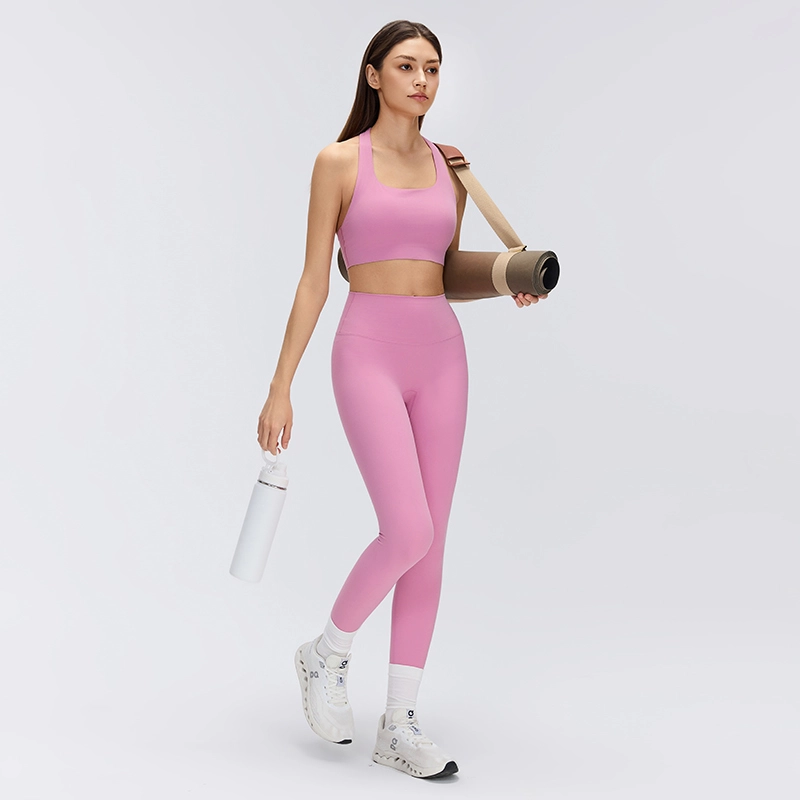
What Is a Fitness Clothing Manufacturer?
A fitness clothing manufacturer produces apparel designed for training, yoga, gym workouts, athleisure, and active lifestyles. Unlike general clothing factories, fitness apparel manufacturers need to understand how fabrics behave during movement, stretching, sweating, washing, and daily wear.
Common fitness clothing products include:
- Sports bras
- Leggings
- Yoga pants
- Tank tops
- Crop tops
- Gym shorts
- Activewear sets
- Seamless fitness clothing
- Athleisure jackets and tops
For a startup or private label brand, a manufacturer should also support product development, sampling, sizing adjustments, fabric selection, branding, packaging, and quality control. This is especially important if your brand is not simply reselling generic wholesale styles, but trying to build a recognizable fitness clothing line.
Fitness Clothing Manufacturer vs Activewear Manufacturer vs Sportswear Manufacturer
Many buyers use terms like fitness clothing manufacturer, activewear manufacturer, gym clothing manufacturer, and sportswear manufacturer interchangeably. They are related, but they do not always mean exactly the same thing.
| Term | Main Meaning | Best Fit For |
|---|---|---|
| Fitness Clothing Manufacturer | Manufactures gym wear, sports bras, leggings, training tops, workout shorts, and activewear sets. | Fitness brands, yoga brands, gymwear startups, and boutique activewear labels. |
| Activewear Manufacturer | Focuses on apparel for movement, training, yoga, Pilates, athleisure, and daily active lifestyles. | Yoga wear, gym wear, women’s activewear, and athleisure brands. |
| Gym Clothing Manufacturer | Usually focuses on training apparel such as leggings, sports bras, gym shorts, crop tops, and workout tops. | Gym brands, fitness influencers, and performance apparel labels. |
| Sportswear Manufacturer | A broader category that may include teamwear, running wear, cycling wear, uniforms, tracksuits, and general sports clothing. | Broader sports apparel brands and multi-category sports clothing companies. |
If your brand focuses on yoga wear, sports bras, leggings, gym sets, and athleisure, then a fitness clothing manufacturer or activewear manufacturer is usually more relevant than a broad sportswear supplier. A broad sportswear manufacturer may be able to make many categories, but that does not always mean they understand the fit, stretch, and comfort requirements of modern women’s activewear.
What Startup Brands Should Check Before Choosing a Fitness Clothing Manufacturer
Startup brands often compare factories by unit price first. That is understandable, but it can lead to costly mistakes. Fitness clothing is technical apparel. A low-cost supplier may look attractive at first, but poor fit, weak fabric recovery, cracking logos, inconsistent sizing, or uncomfortable seams can damage your brand before it grows.
Before choosing a manufacturer, check these areas carefully.
1. Product Capability
Your manufacturer should have experience producing the exact products you want to launch. A factory that mainly makes cotton T-shirts may not understand sports bras, high-waisted leggings, compression fabrics, or seamless activewear.
Ask whether they can produce:
- Medium-support and high-support sports bras
- High-waisted leggings
- Squat-proof leggings
- Matching activewear sets
- Yoga tops and gym crop tops
- Seamless or cut-and-sew activewear
- Private label fitness clothing
This matters because each product has different risk points. Sports bras require support and fit engineering. Leggings require opacity, stretch recovery, and waistband stability. Matching sets require consistent fabric color, hand feel, and sizing across both pieces.
2. Fabric Knowledge
Fitness apparel fabrics need stretch, recovery, breathability, opacity, and comfort. Your supplier should be able to explain fabric composition, GSM, compression level, hand feel, and suitable use cases.
Common activewear fabrics include nylon-spandex, polyester-spandex, recycled polyester, seamless knit fabrics, and soft compression blends. A reliable manufacturer should not simply tell you that a fabric is “good quality.” They should explain why a fabric is suitable for leggings, sports bras, yoga tops, training shorts, or athleisure sets.
3. Low MOQ Flexibility
For new brands, low MOQ matters because it allows you to test product-market fit before committing to large inventory. However, do not only ask about garment MOQ. Ask separately about MOQ for custom logos, labels, hang tags, and packaging.
A supplier may offer low MOQ for clothing production, but still require high minimums for woven labels, custom packaging, or branded trims. If MOQ is your main concern, you can also read our full guide on low MOQ activewear manufacturing.
4. Sample Revision Process
Good activewear development usually requires more than one sample. Sports bras may need support adjustments. Leggings may need waistband corrections. Tops may need length, strap, or seam changes.
A reliable manufacturer should provide a clear sample revision process instead of expecting you to approve the first prototype immediately. For startup brands, the sample stage is where many problems should be solved before bulk production begins.
5. Private Label and Branding Support
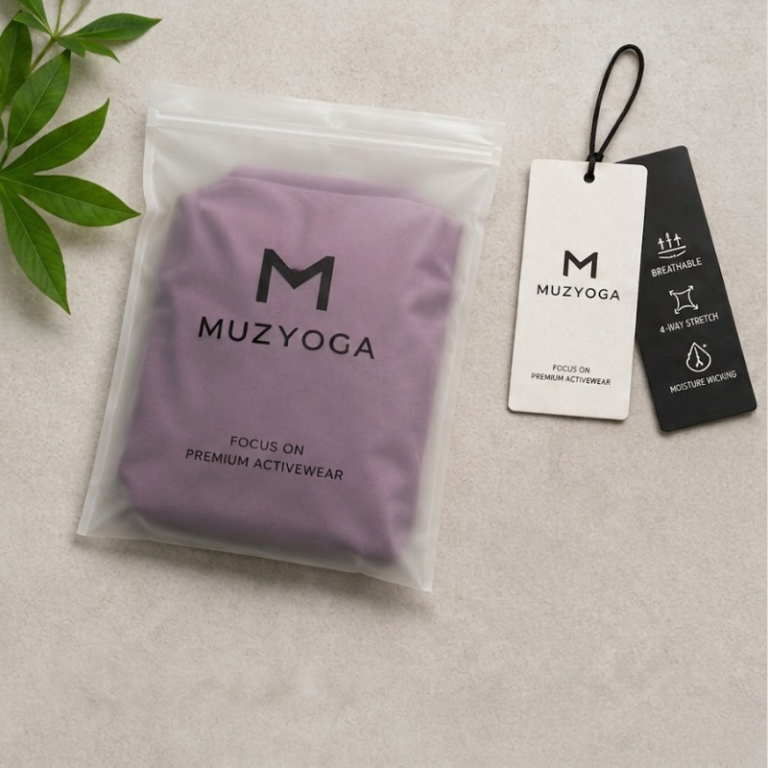
For startup brands, private label support is essential. Ask whether the manufacturer can help with custom logos, heat transfer labels, woven labels, hang tags, care labels, packaging bags, and product photography support if needed.
Branding does not need to be overcomplicated at the beginning. But your manufacturer should at least be able to support clean logo placement, comfortable labels, and practical packaging options that match your launch budget.
Product Capability: Sports Bras, Leggings and Matching Sets
One of the best ways to judge a fitness clothing manufacturer is to evaluate how well they understand core activewear products. Sports bras, leggings, and matching sets are not simple garments. They require technical decisions that affect comfort, performance, and customer satisfaction.
Sports Bras Require Fit and Support Engineering
Sports bras are one of the most important but also most technically sensitive products in activewear. A good manufacturer should understand support levels, underband stability, strap design, removable pads, lining, and compression.
Key points to check include:
- Does the sports bra provide suitable support for yoga, Pilates, gym training, or high-impact workouts?
- Does the underband stay stable without rolling or digging into the skin?
- Are removable pads secure, comfortable, and easy to wash?
- Do straps stay comfortable during movement?
- Does the size grading work across different body types?
- Is the neckline suitable for both performance and daily styling?
If your first collection includes sports bras, avoid choosing styles only based on appearance. Fit, support, and comfort should come first. A sports bra that photographs well but fails during movement can quickly lead to returns and negative reviews.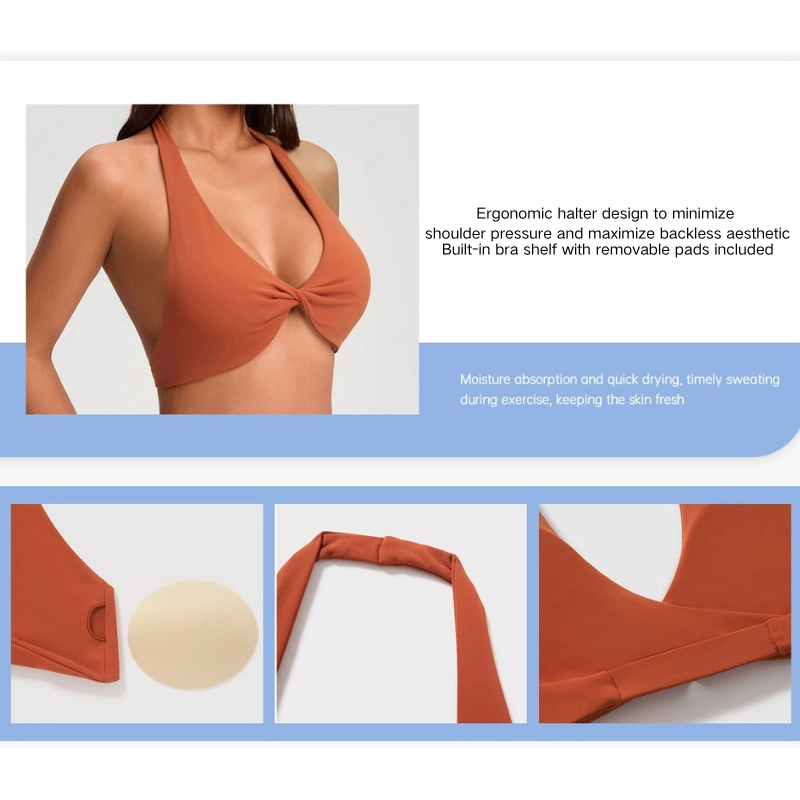
Leggings Require Squat-Proof and Waistband Testing
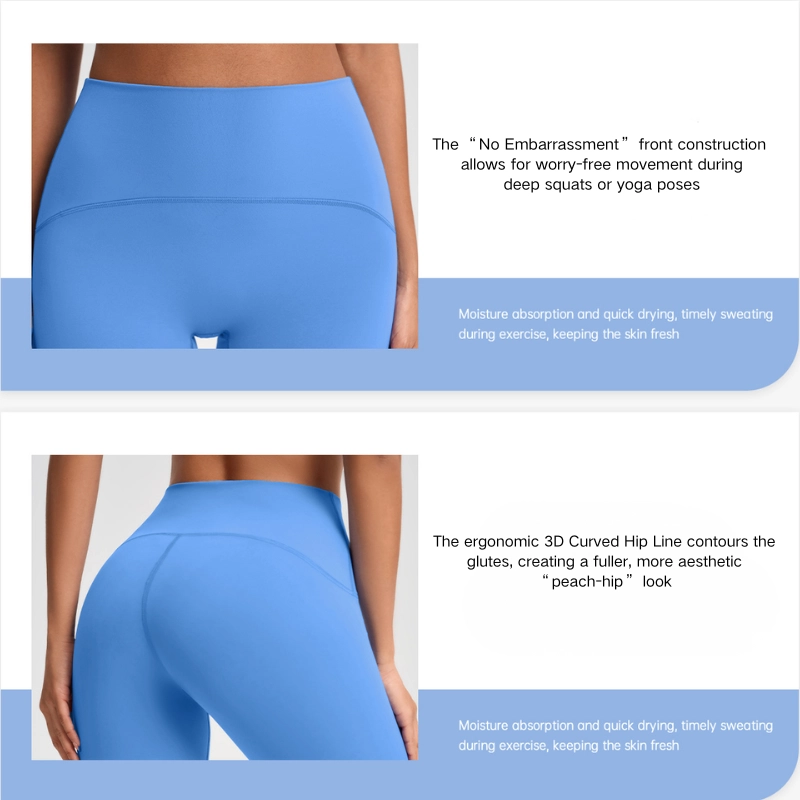
Leggings are often the core product of an activewear brand, but they also create common quality complaints. A fitness clothing manufacturer should know how to reduce see-through issues, waistband roll-down, poor stretch recovery, and fabric pilling.
Important checks include:
- Squat-proof opacity
- Waistband stability
- Four-way stretch
- Recovery after stretching
- Pilling resistance
- Color fastness
- Seam comfort
- Inseam and length options
For more detailed testing standards, read our guide on activewear fabric quality tests.
Matching Sets Are Often Better for Startup Launches
Many startup brands ask whether they should launch sports bras or leggings first. In practice, a matching set often works better than a single item.
A sports bra and leggings set can help you:
- Create stronger visual branding
- Increase average order value
- Improve social media content
- Test two core products at once
- Build a more complete first collection
- Reduce the risk of relying on only one product
For many startup activewear brands, a smart first launch is one hero sports bra, one hero legging, two core colors, and a limited size range. This allows you to test demand without overbuilding inventory.
Sports Bras vs Leggings vs Matching Sets: Product Launch Comparison
Before choosing a manufacturer, startup brands should understand which product type creates the highest development risk and which launch model is easiest to test.
| Factor | Sports Bras | Leggings | Matching Sets |
|---|---|---|---|
| Fit Complexity | High because support, bust fit, straps, and underband structure matter. | Medium to high because waistband, opacity, and compression matter. | Higher development work, but stronger brand impact. |
| Customer Demand | Strong when paired with leggings or activewear sets. | Very stable as a core activewear product. | Strong for visual marketing, product bundles, and collection launches. |
| Return Risk | Higher if support, sizing, or underband comfort is poor. | Higher if fabric is see-through, waistband rolls down, or fit is inconsistent. | Balanced if both pieces are tested properly before bulk production. |
| Marketing Value | Good for detail shots, styling content, and top-focused campaigns. | Good as a core product and repeat-purchase category. | Best for social media, ads, brand identity, and complete outfit presentation. |
| Best For | Brands focused on support, yoga, Pilates, gym tops, or upper-body styling. | Brands building a stable core product line around leggings and yoga pants. | Most startup brands testing a complete first activewear look. |
The best choice depends on your customer, price point, and brand positioning. However, if you are launching your first activewear collection, a low MOQ matching set is usually the most balanced option.
Fabric and Quality Testing Standards Matter More Than Price
When comparing fitness clothing manufacturers, price is only one part of the decision. A lower unit cost will not help if the leggings become see-through, the sports bra loses support, or the fabric pills after a few washes.
Ask your manufacturer how they test:
- Stretch recovery
- Squat-proof opacity
- Color fastness
- Pilling resistance
- Shrinkage after washing
- Seam strength
- Sweat performance
- Fabric hand feel
The goal is not to make the most technical product possible. The goal is to make a product that your target customer can wear repeatedly without discomfort, disappointment, or quality complaints.
For sustainable collections, you may also want to compare recycled polyester, bio-based nylon, and Lyocell options. You can read more in our guide to sustainable activewear fabrics.
MOQ, Sampling and Private Label Flexibility
A strong private label activewear factory should help you balance product quality with inventory risk. For startups, this usually means smaller test runs, clear sampling fees, flexible logo options, and a practical path to scale.
When discussing MOQ, ask:
- What is the MOQ per style and color?
- Can I test one sports bra and one legging as a matching set?
- What is the MOQ for custom logo application?
- What is the MOQ for woven labels, hang tags, and packaging?
- Can the manufacturer support reorders if one color sells better?
- Can I expand from 50 pieces to 300 or 500 pieces later?
This is especially important for private label fitness clothing. A good supplier should help you launch lean first, then scale based on real sales data.
For example, a startup brand may begin with a small test run of a black sports bra and matching leggings, then expand into seasonal colors after collecting customer feedback. This is usually safer than launching too many styles, sizes, and colors at once.
Common Red Flags When Choosing a Fitness Clothing Manufacturer
Not every supplier that claims to be an activewear or fitness clothing manufacturer is suitable for a serious brand launch. Watch for these warning signs before placing an order.
Red Flag 1: The Supplier Cannot Explain Fabric Performance
If a factory only says “nylon spandex is good quality” but cannot explain GSM, compression, stretch recovery, or opacity, it may not understand performance activewear deeply enough.
Red Flag 2: The Supplier Only Offers Generic Catalog Styles
Catalog styles can be useful for fast ODM launches, but your manufacturer should still support fit adjustments, color development, logo placement, and private label options.
Red Flag 3: No Clear Sample Revision Process
If a manufacturer does not allow structured sample feedback, it is risky. Activewear fit often needs refinement before bulk production.
Red Flag 4: Branding MOQ Is Not Transparent
Some suppliers offer low garment MOQ but require high minimums for labels, hang tags, or custom packaging. Always confirm these details before ordering.
Red Flag 5: The Factory Does Not Understand Sports Bra Fit
Sports bras require more technical knowledge than basic tops. If the supplier cannot discuss support level, underband stability, straps, lining, or pad structure, be careful.
How Muzyoga Supports Startup Activewear Brands
Muzyoga works with activewear startups, boutique fitness brands, and private label buyers looking for flexible production and reliable product development.
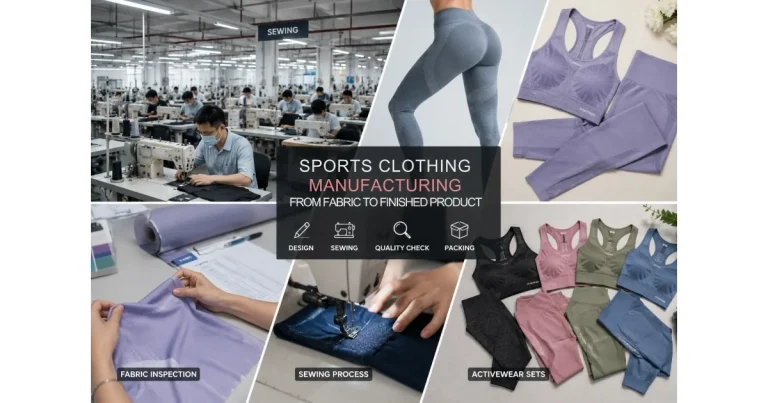
Our product range includes sports bras, leggings, yoga sets, gym tops, shorts, jackets, seamless activewear, and athleisure apparel. We support startup-friendly manufacturing with product development, fabric selection, sampling, custom logo application, low MOQ production, and private label branding.
For brands launching their first collection, we recommend starting with a focused product strategy instead of too many SKUs. A strong first launch may include one sports bra, one legging, two core colors, and a clear fit-testing process before expanding into more styles.
You can also read our guide on how to start an activewear brand if you are still planning your brand launch strategy.
Conclusion: Choose a Manufacturer That Understands Products, Not Just Production
The best gym clothing supplier for your brand is not simply the supplier with the lowest price. It is the partner that understands activewear products, stretch fabrics, fit risk, low MOQ launches, and private label growth.
For startup activewear brands, sports bras, leggings, and matching sets can all be strong first products. The key is choosing a manufacturer that can help you test the right styles, improve samples, control quality, and scale production when the market responds.
If your goal is to build a long-term fitness clothing brand, choose a manufacturer that can support both your first launch and your future collection growth.
FAQ: Choosing a Fitness Clothing Manufacturer
What is a fitness clothing manufacturer?
A fitness clothing manufacturer produces apparel for training, yoga, gym workouts, and active lifestyles. Common products include sports bras, leggings, gym tops, shorts, yoga sets, and activewear sets.
What is the difference between a fitness clothing manufacturer and an activewear manufacturer?
A fitness clothing manufacturer usually focuses on gym wear and workout apparel, while an activewear manufacturer may also include yoga wear, athleisure, and daily performance clothing. For many brands, the two categories overlap.
What MOQ should startup activewear brands expect?
MOQ depends on the product, fabric, color, and customization method. Startup brands should ask separately about garment MOQ, logo MOQ, label MOQ, and packaging MOQ before placing an order.
Can one manufacturer make both sports bras and leggings?
Yes, many fitness clothing manufacturers can produce both sports bras and leggings. However, you should check whether they understand sports bra support, leggings opacity, waistband construction, and fabric recovery.
Are matching activewear sets good for startup brands?
Yes. Matching sets can help startup brands increase average order value, create stronger visual branding, and test sports bras and leggings together with lower inventory risk.
What fabric is best for fitness clothing?
Common options include nylon-spandex, polyester-spandex, recycled polyester blends, and seamless knit fabrics. The best choice depends on compression, stretch, breathability, opacity, and target product use.
How do I choose a private label fitness clothing manufacturer?
Look for experience with activewear products, fabric testing, sample revisions, low MOQ flexibility, custom logo options, private label support, and clear communication about production timelines and costs.
Looking for a Fitness Clothing Manufacturer for Your Activewear Brand?
If you are planning to launch sports bras, leggings, yoga sets, gym wear, or matching activewear collections, Muzyoga can help you develop startup-friendly products with flexible MOQ, custom branding, and private label manufacturing support.
Send us your product idea, logo, or reference style today to discuss your first activewear collection.