Activewear Sample Development and Approval: From First Prototype to Bulk Production
A first activewear sample can look polished and still be unsafe to approve. The waistband may roll during squats, a sports bra may shift when the wearer raises her arms, or a heat-transfer logo may crack when the fabric stretches.
The activewear sampling process is where these problems should be found and corrected. It turns a sketch, reference garment or tech pack into a production standard that both the brand and factory can follow.
This article explains what to prepare, which samples you may need, how long development can take, what affects cost, and how to review and approve leggings, sports bras and yoga wear before bulk production. The same decision path also applies to the wider sportswear sampling process.
Sample approval is a production decision. “It looks good” is not enough. The approved sample should confirm fit, fabric, construction, branding and the specifications that will control bulk production.
What Should You Prepare Before Sampling?
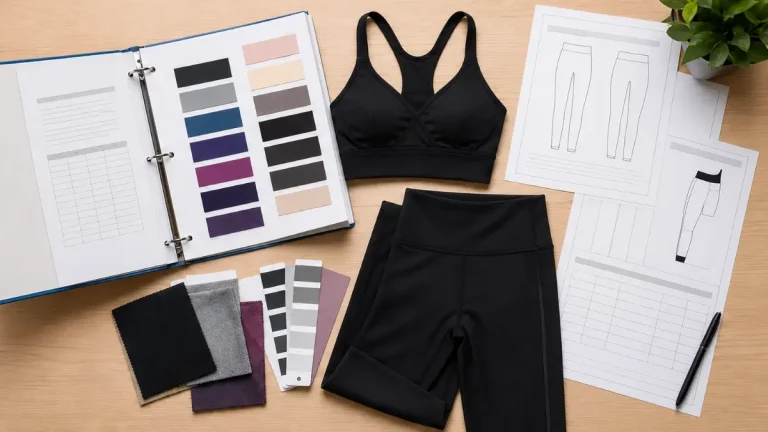
A factory can start from a full tech pack, a reference garment, sketches or product images. The clearer the information, the fewer assumptions the sample team has to make.
Your brief should explain the product in practical terms:
- Product and activity: leggings for yoga, a medium-support studio bra, running shorts or a gym set.
- Fit direction: relaxed, body-hugging, soft compression or firm compression.
- Target customer: market, base size, planned size range and body profile.
- Fabric direction: composition, GSM, finish, stretch, recovery, compression and opacity.
- Construction: waistband, gusset, pockets, lining, pads, seams and closures.
- Branding: logo artwork, position, color, labels, hangtags and packaging.
- Commercial plan: expected quantity, launch date and target price position.
A startup does not always need a finished tech pack before contacting a factory. Muzyoga’s custom OEM/ODM service can support pattern making, technical details and prototype development. Still, the brand should separate confirmed requirements from areas where it wants recommendations.
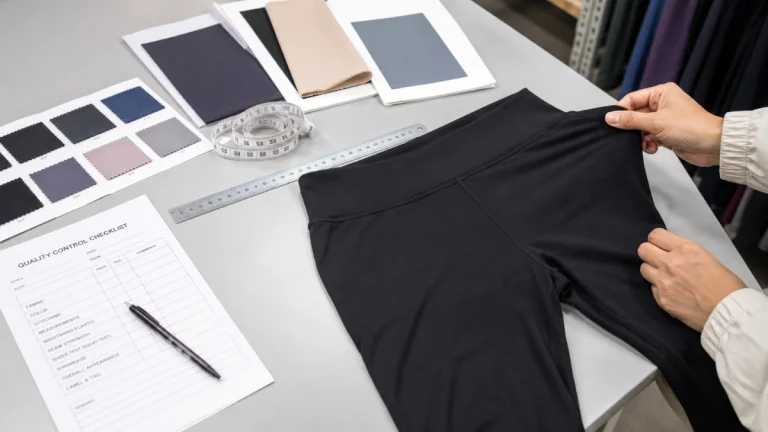
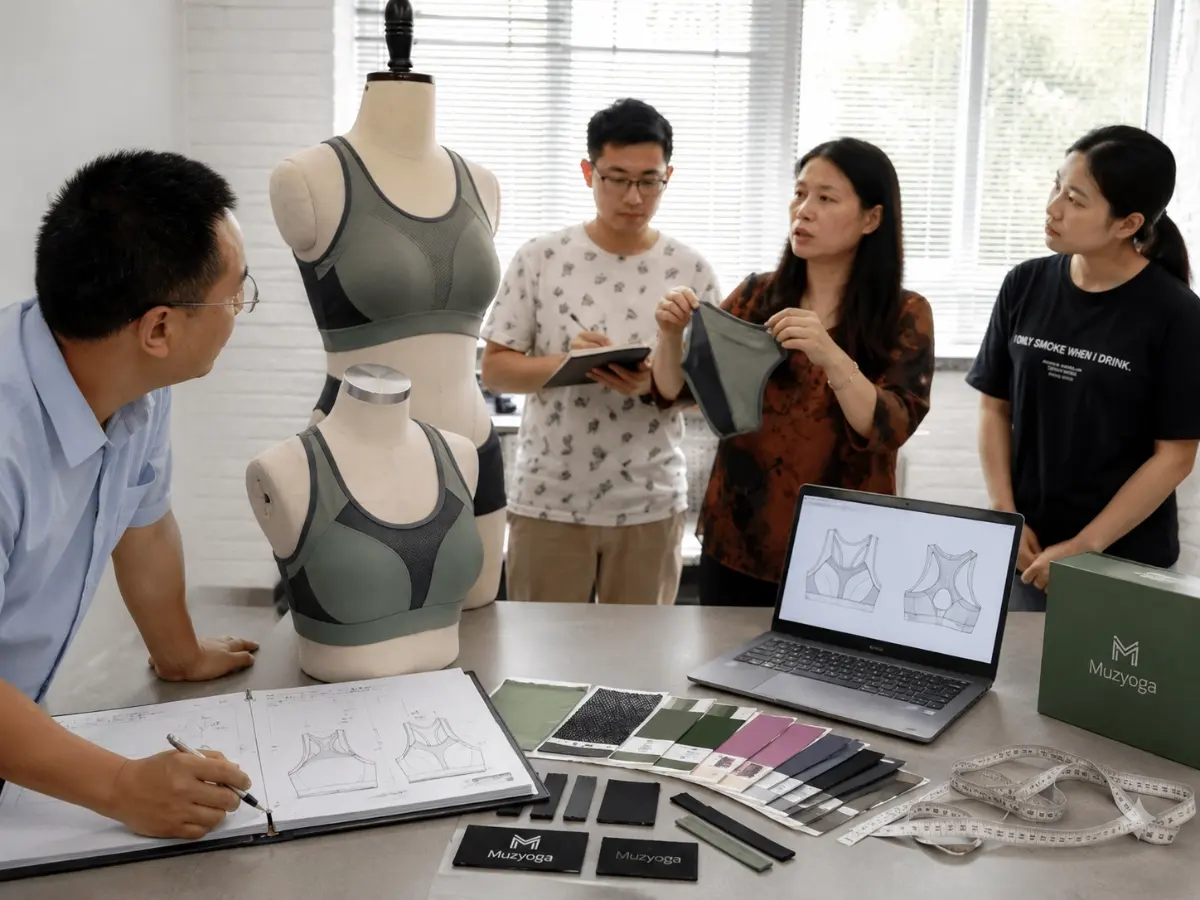 The Muzyoga team reviews prototype fit, construction and technical details before activewear sample approval.
Which Activewear Samples Do You Need?
Factories may use slightly different names, so ask what each sample is meant to approve. A logo added to an existing style needs a simpler route than a new sports bra with custom fabric and a new pattern.
| Sample | Main Purpose | Typical Use |
|---|---|---|
| Stock or Reference Sample | Review an existing fit, fabric feel and workmanship level. | Private label projects and early style selection. |
| Prototype or Development Sample | Test the first pattern, silhouette and construction. | New OEM designs or major ODM changes. |
| Fit Sample | Check measurements, balance, movement, comfort and support. | Leggings, sports bras and fitted activewear. |
| Size Set | Confirm that grading stays balanced across key sizes. | Extended sizes, compression styles and fit-sensitive products. |
| Pre-Production Sample | Approve the final fabric, color, construction, logo, labels and packaging. | The final gate before bulk cutting and sewing. |
Not every order needs all five stages. The useful question is not “How many samples are standard?” It is “What risk must this sample remove before we move forward?”
How Does Activewear Sample Development Work?
Most projects follow six practical steps.
- Brief review: the factory checks the design, measurements, fabric, construction and branding information.
- Material confirmation: available fabrics and trims are compared with the required hand feel, support and appearance.
- Pattern development: a new pattern is created or an existing base style is modified.
- First sample: the sample room makes the garment and checks basic measurements, symmetry and workmanship before shipment.
- Fit and performance review: the brand tests the sample on body and sends one consolidated revision file.
- Final approval: the updated specification, materials and pre-production sample are aligned before bulk production.
The fit review should match the intended activity. Yoga leggings need bending, squatting and seated movement. A training bra should be checked during arm movement and at the support level it is designed to provide.
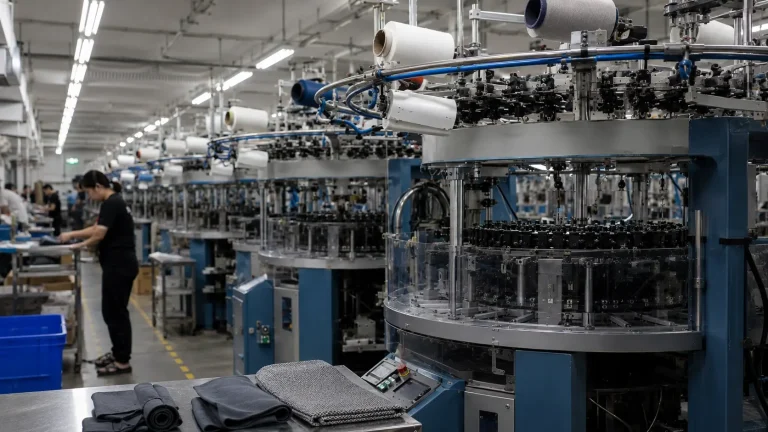
Seamless products follow a related path, but yarn, knit zones and machine programming add different decisions. See the seamless activewear manufacturing process for that production route.
How Long Does Sampling Take, and What Affects Cost?
Muzyoga currently lists about 7–10 days for a standard custom sample after the main details are confirmed. That range suits straightforward projects. It should not be treated as a promise for every product.
Development may take longer when the style needs a new pattern, custom-dyed or custom-knitted fabric, special elastic or hardware, several logo methods, a full size set or major changes after the first prototype. Courier time also sits outside the sample-room schedule.
Sample cost follows the same logic. A quotation may include pattern work, fabric and trims, sample labor, logo setup, revision rounds, size-set pieces and shipping. Ask what is included and whether later design changes are charged separately.
Do not choose a sampling route by price alone. A cheap sample that uses the wrong fabric or skips fit review can create a much larger problem when the same mistake is repeated across a bulk order.
How Should You Review and Approve an Activewear Sample?
A practical activewear sample approval checklist starts by confirming the sample identity: style number, version, size, color and tech pack revision. This prevents an older sample from being approved by mistake.
Use consistent measurement points. The ISO 8559-1 framework for anthropometric measurements is a useful official reference when a team needs standardized body-measurement definitions for clothing development.
| Review Area | What to Check | Do Not Approve If |
|---|---|---|
| Fit and Measurements | Waist, rise, inseam, underband, straps, neckline, length and overall balance. | The garment pulls, slips, cuts in or sits unevenly. |
| Movement | Squat, bend, lunge, arm lift, waistband hold and support. | The waistband rolls, bra shifts or movement feels restricted. |
| Fabric | Hand feel, stretch, recovery, compression, opacity and color. | The fabric turns sheer, bags, shines unexpectedly or lacks recovery. |
| Construction | Seam alignment, thread tension, puckering, symmetry and reinforcement. | Seams irritate, skip stitches or distort under stretch. |
| Branding and Retail Details | Logo size and position, labels, hangtags, barcode and packaging. | The logo cracks, peels, distorts or the product information is wrong. |
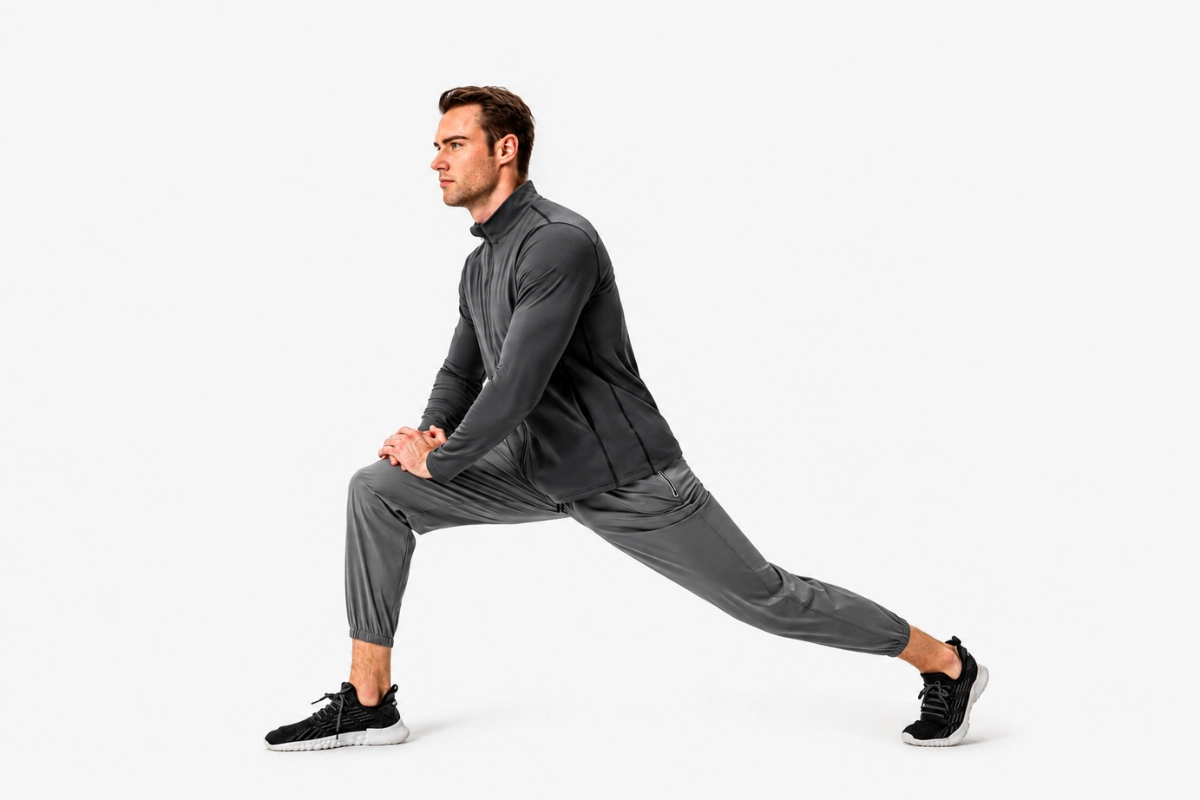 Movement testing can reveal mobility, seam and fit issues that may not appear when an activewear sample is checked only in a standing position.
For Leggings
Review waistband stability, front and back rise, gusset placement, inseam and leg opening. Check opacity on body under realistic light while the wearer squats, lunges and bends. A flat sample can hide transparency across the seat and thighs.
Fabric weight alone cannot prove performance. Stretch, knit density, color, recovery and pattern tension work together. When formal data is required, ASTM D2594/D2594M-21 covers stretch and growth in certain knitted fabrics, although the applicable method should be agreed for the exact material and claim.
For a deeper opacity review, use our squat-proof leggings sample testing checklist.
For Sports Bras
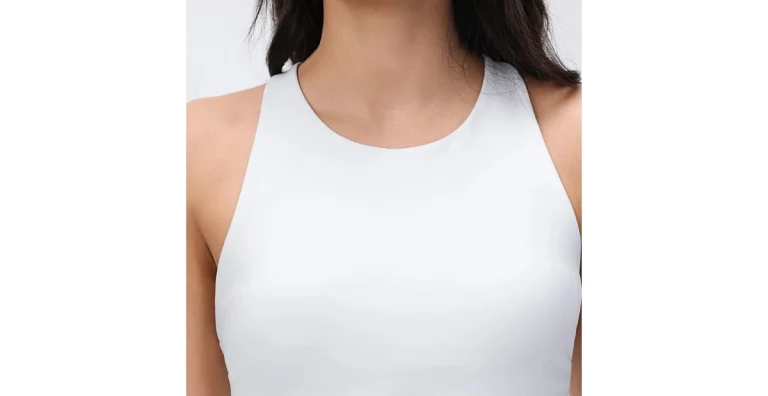
Check underband stability, strap pressure, armhole comfort, neckline coverage, pad position and movement support. A bra may feel comfortable while standing but ride up or restrict movement when the wearer raises her arms.
The sample should be judged against its intended support level. A soft studio bra and a high-support training bra should not be approved by the same fit expectations.
How to Send Clear Revision Comments
Comments such as “the fit is bad” or “make it more premium” do not tell a pattern maker what to change. Put all feedback for one sample round into one document and include the current issue, the required result, a measurement or reference point, and a marked photo or video.
Clear comment example
Issue: The waistband rolls during repeated squats.
Required result: Improve waistband stability while keeping the approved 10 cm finished height.
Evidence: See Video 02 and marked Photo 04. Compare with measurement point W03.
Status: Revise before approval.
Separate fit corrections from new design requests. Moving a pocket after the first sample is a design change. Correcting a pocket that was placed differently from the approved tech pack is a production correction. This distinction keeps cost, timing and responsibility clear.
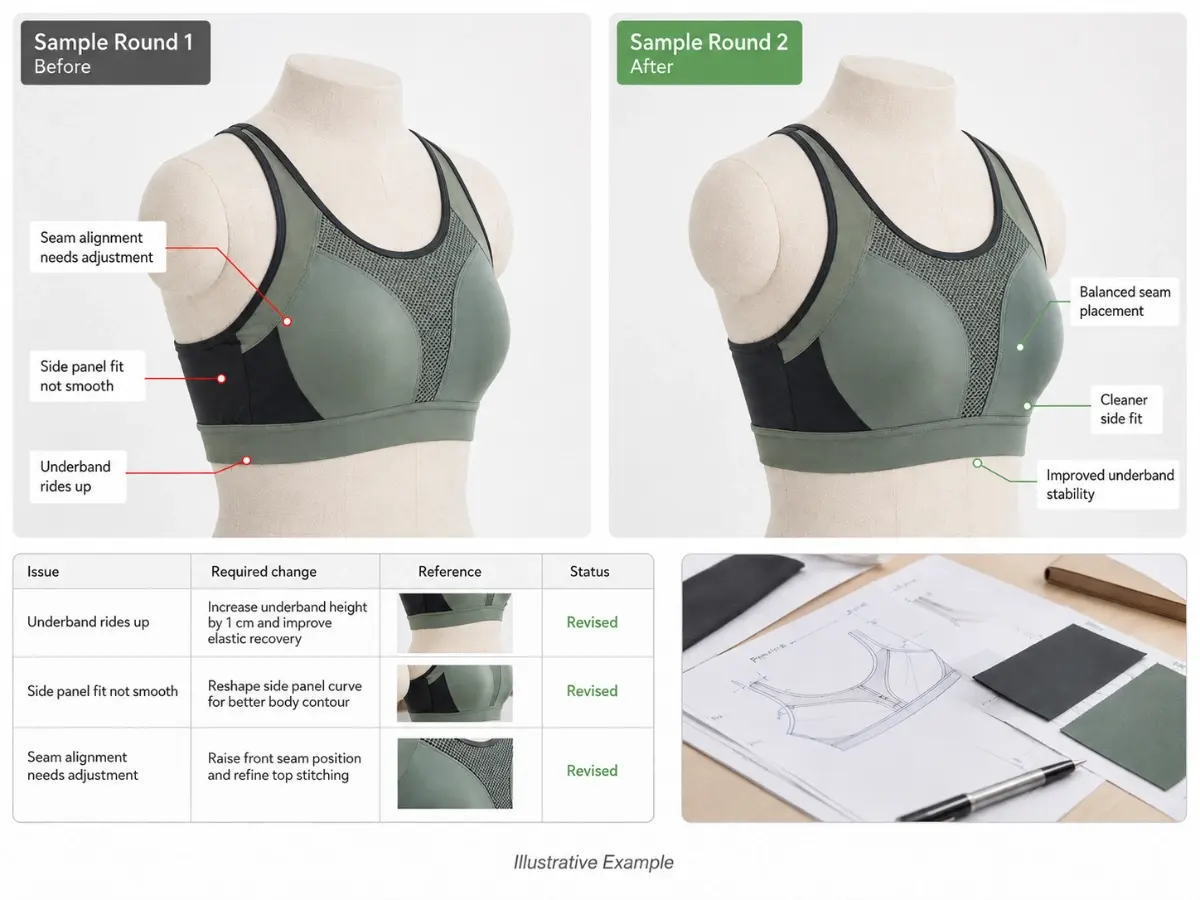 Illustrative example showing how fit, seam placement and underband comments can be documented and revised between activewear sample rounds.
When Is the Sample Ready for Bulk Production?
Approve the sample only when the final fabric, color, fit, measurements, construction, logo, labels and packaging are confirmed. The sample version and specification sheet should match, and any accepted difference should be documented.
A series of messages saying “looks good” is not a production standard. The factory needs one approved reference sample and one current file set. If fabric, construction or sizing changes later, decide whether another approval is required.
Common Sampling Mistakes
- Approving from photos only: photos cannot confirm pressure, support, movement or next-to-skin comfort.
- Changing several variables at once: it becomes difficult to identify which change improved or damaged the sample.
- Testing the wrong activity: a yoga legging should be tested through yoga movement, not only while standing.
- Ignoring size grading: one good base-size sample does not prove that larger and smaller sizes will fit correctly.
Plan Your Activewear Sample with Clear Approval Standards
A useful sample does more than show that a garment can be made. It gives the brand and factory the same definition of the product before money is committed to bulk materials and production.
Planning an Activewear Sample?
Send Muzyoga your target product, reference style, intended activity, size range, fabric direction, colors, branding requirements and expected quantity. We can review whether your project is better suited to private label, modified ODM development or a full custom OEM sample.
Frequently Asked Questions
How many activewear sample rounds are usually needed?
There is no fixed number. An existing private label style may need only branding confirmation, while a new legging or sports bra pattern may need more than one fit revision. The correct endpoint is an approved production standard, not a target number of rounds.
Do I need a tech pack before requesting a sample?
Not always. A factory may start from sketches, photos, measurements or a reference garment. A clearer tech pack reduces assumptions and makes revision comments easier to control.
Can a fit sample use substitute fabric?
Yes, but the substitute must behave closely enough for the decision being made. If stretch, recovery, compression or weight differs greatly, the fit result may not transfer to the final garment.
What is the difference between a prototype and a pre-production sample?
A prototype tests the early pattern and construction. A pre-production sample should represent the final approved fabric, trims, branding, labels and workmanship before bulk production begins.
Should bulk production begin before the final sample is approved?
Not while important fit, fabric, construction or branding decisions remain open. The brand and factory should first agree on the exact sample and specification that will control production.